
Table of Contents
1. Understanding easy setup tents
2. Evaluating top easy setup tents by use case
3. Design, materials and weather readiness
4. Easy setup tents FAQ
5. Final takeaways and recommendations
Understanding easy setup tents

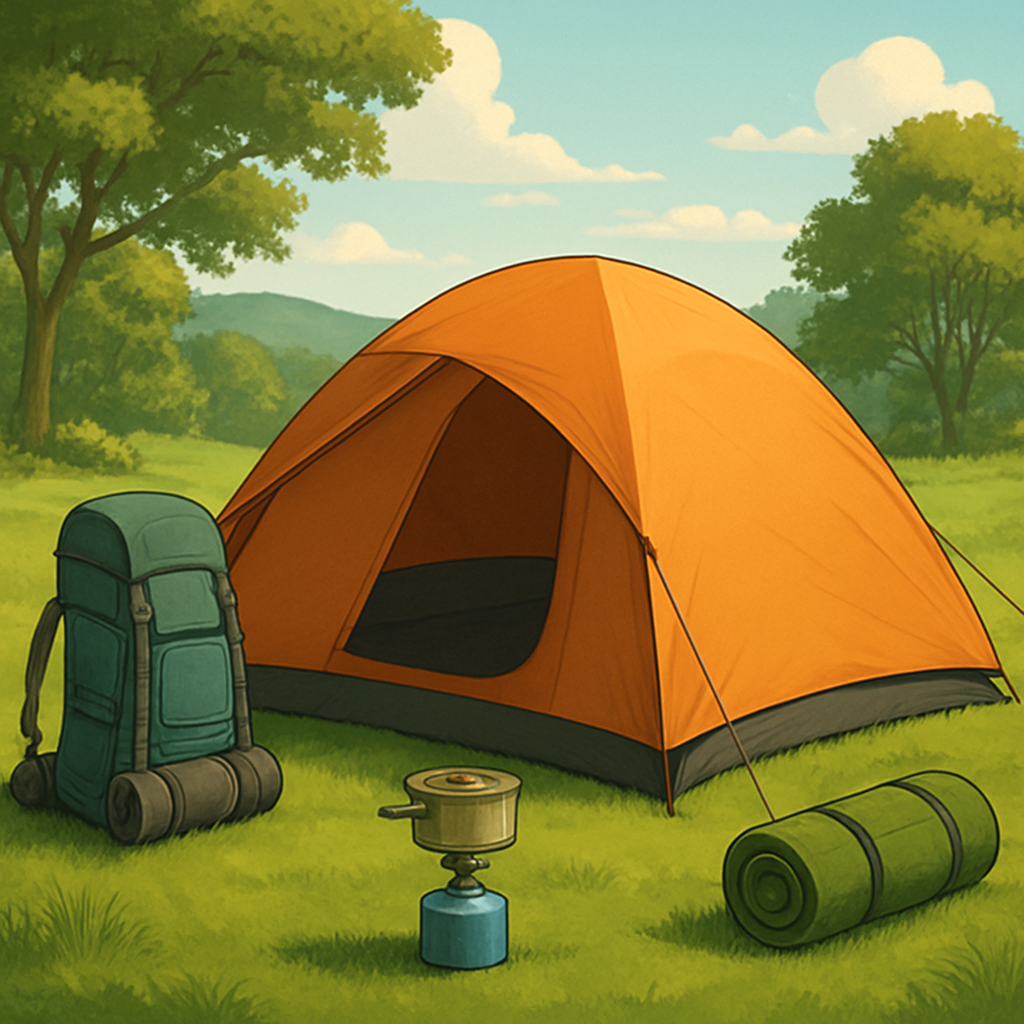
Easy setup tents save time at the campsite by combining pre-attached components with intuitive design. For solo adventures, a one person tent that deploys quickly reduces setup friction and lets you settle into the evening sooner. For families, a family camping tent with fast setup keeps everyone coordinated and off the clock. Popular options include the pop up tent, which unfurls in moments, and the instant setup tent, which uses pre-attached poles for rapid erection. Even a compact easy setup camping tent can support weekend trips without weighing you down, making it easy to switch between car camping and longer adventures.
To choose wisely, evaluate top easy setup tents by use case—car camping, weekend family trips, or travel light—focusing on setup speed, stability, and durability under wind and rain. These criteria set the stage for evaluating top options by use case.
What makes an easy setup tent
Setup time under 5–10 minutes
Minimal steps with integrated poles or pre-attached components
Lightweight and compact when packed
Core metrics for fast setups
Setup speed
Weight and packed size
Wind stability and rain resistance
Durability and material quality
Popular designs: pop up vs instant setup
Pop-up tents deploy fastest but can be bulkier
Instant setup tents use pre-attached poles for quick erecting
Evaluating top easy setup tents by use case
Choosing easy setup tents means balancing speed, space, and weather protection. Use-case driven picks help align features such as pop up tent mechanics, instant setup options, or hub-based frames with how you camp—from family trips to solo treks.
Best easy setup tents for camping
Family camping tent with fast setup and space for everyone
- Space and layout: designed for 4-6 people with a roomy living area and two vestibules, ample headroom, and separate bedrooms to keep kids near the gear. This supports a comfortable family experience without feeling crowded.
- Setup efficiency: quick-pop or hub-based frames, color-coded poles, and pre-attached stakes shorten assembly to about 2–3 minutes once you’re familiar with the pattern.
Good rain resistance and durable fabrics
- Weather protection: multi-season capability with taped seams, a robust fly, and a floor with reinforced seams helps keep moisture out in storms. Look for hydrostatic head around 1500 mm or higher for reliable rain defense.
- Durability: 68D–75D polyester fabrics with a rugged floor, reinforced corner and guy-out points, and UV stabilization for long days on sunny campsites. Expect a longer lifespan in family use with regular setup and breakdown.
Quick setup tents for car camping
Larger footprints optimized for car camping
- Floor plan: 40–60 sq ft of usable space and center heights around 60–72 inches, offering easy movement and comfortable standing room near the car or inside the tent.
- Car-friendly design: two doors and two vestibules reduce traffic jams at entry, while quick-clips or pre-attached poles enable rapid pitching without wrestling with tangled sleeves.
Prioritize rapid setup and weather resilience
- Setup speed and resilience: pre-attached poles, color-coded clips, and sturdy frame materials (aluminum or reinforced fiberglass) shorten setup to 1–2 minutes.
- Weather readiness: decent wind resistance and rain sealing with seam-taped floors and a durable rainfly; overall weight typically 8–15 lbs with a compact pack size suitable for car camping gear bins.
Lightweight options for travel
Compact packed size suitable for one person or small groups
- Pack and carry: compact packed length (about 12–18 inches) and total weight around 2–5 lbs for 1-person models, making it feasible to carry in a daypack for weekend trips.
- Space reality: floor areas of roughly 20–30 sq ft keep a solo setup comfortable and still leave room for a small pack inside.
One person tent options with hub or pre-attached pole designs
- Setup simplification: hub-based or pre-attached pole designs minimize steps, often allowing full pitch in under a minute with practice.
- Comfort metrics: interior widths of 28–40 inches and single or dual doors provide decent livability for solo travelers.
Lightweight frames reduce fatigue during setup
- Materials: aluminum 7001-T6 poles or high-strength composites keep weight down, while maintaining strength against light winds.
- Trade-offs: lighter tents may use single-wall or thinner fabrics; choose a balance between weight savings and moisture protection to suit your climate.
These use-case anchors reveal how design choices directly affect setup speed, space, and protection, paving the way to a deeper look at design, materials and weather readiness.
Design, materials and weather readiness
Choosing easy setup tents means prioritizing how quickly you pitch, how reliably they stand up to weather, and how long the materials hold up under repeated use. The right mix of fabrics, poles, and smart design translates to tents that are genuinely fast to deploy—whether you’re car camping with a family or camping solo with a light pack.
Materials that influence setup and durability
Fabric weight vs durability
Lightweight fabrics (around 60–75D) save ounces but can wear faster on abrasive ground. For a one person tent or a travel-friendly option, 68–75D nylon/poly blends hit a sweet spot between weight and abrasion resistance. For a family camping tent, 100–150D materials improve durability and resist punctures from frequent use, at a modest weight increase.
Seam sealing quality
Factory-sealed seams reduce leaks from day one. Look for tents with fully taped or folded seams rather than loose stitching near seams. If a model ships with seam sealant already applied, you’ll save setup time and avoid priming under wet weather. For longevity, carry a small tube of silicone-based seam sealer and re-seal after seasons of heavy use.
Waterproof coatings, breathability, and long-term wear
A reliable rain shield uses a durable water repellent (DWR) treatment on the fly and a waterproof coating on the floor. Ratings in the 1500–3000 mm range on the rain fly help handle sudden downpours without pooling. Prioritize fabrics with adequate breathability to minimize interior condensation, especially in one person tents and pop up designs that trap heat. Choose seams and zippers with coated finishes to reduce wear during multiple setups.
Breathability and long-term wear
Mesh panels and venting options improve air exchange without compromising rain protection. Consistent airflow extends tent life by reducing internal moisture, which can degrade fabrics over time. For car campers who want quick setup, breathable, durable fabrics support repeated assembly across seasons.
Pole systems and their impact on speed
Aluminum vs fiberglass: strength, weight, and setup time
Aluminum poles are stiffer and lighter, improving stability and cutting assembly time. Fiberglass is cheaper and more forgiving but heavier and prone to flex under wind. For best easy setup tents, aluminum wins on speed and reliability, especially in pop up or instant setup models.
Hubbed or pre-attached designs reduce assembly steps
Hubbed systems or pre-attached poles streamline pitching to just a few moves. A family-friendly tent with a hubbed pole design can cut setup time by 2–5 minutes compared with traditional pole sections, making quick setup tents ideal for car camping.
Rain resistant tents with simple assembly
Seam sealing, floor durability, vestibule design to shed rain
Choose tents with a tub-style floor or a high-welt floor and reverse-channel seams for superior water shedding. A well-designed vestibule—preferably with two doors and angled walls—helps rain drain away from the inner tent while offering dry storage.
Easy staking and guy lines in wet conditions
Color-coded clips and reflective guylines speed cam-ready staking. Use detachable stakes and shorten guylines in windy, wet weather to keep the footprint tight without fighting slippery ground. For best results, stake corners first, then tension the guylines to maintain shape and vestibule protection. This approach suits quick setup camping and makes a family tent feel consistently reliable in rain.
Easy setup tents FAQ
Short setups save time on arrival and reduce campsite hassle. Knowing typical times, durability nuances, and maintenance steps helps you pick the right model—whether you’re eyeing a pop up tent, an instant setup tent, or a family camping tent.
How long does setup typically take for popular models?
Pop-up tents usually deploy in about 60–180 seconds once you release the built-in mechanism and stake the corners. Instant setup tents with pre-attached hubs and color-coded poles run about 2–5 minutes for a complete pitch. One person tents generally take 5–10 minutes once you’ve practiced, while family camping tents with multiple rooms or extended vestibules typically clock in at 8–15 minutes. Practice at home with the actual gear and keep stakes handy, and consider models with pre-attached guylines for faster, more reliable setups on uneven ground.
Do easy setup tents sacrifice durability or rain resistance?
Advances in design show that quick-setup tents can be both durable and weather-ready. Look for reliable rainfly systems, sealed seams, and floors with a healthy hydrostatic head (1,500–3,000 mm is common for durable models). Aluminum or sturdy fiberglass poles and reinforced hub connections boost rigidity without adding excessive weight. For a family friendly tent with fast setup, prioritize models that pair quick assembly with robust zippers, sturdy guyline attachments, and proven waterproofing.
What maintenance helps preserve quick-setup features?
Keep quick-setup performance by inspecting poles and hubs for cracks or looseness, cleaning the tent fabric after trips, and reapplying waterproofing as needed. Dry the tent thoroughly before storage, loosely roll or bag it to avoid strain on fabric and seams, and replace worn guylines or damaged stakes promptly. Regular seam sealing and occasional lubrication of moving hubs extend reliability for the next trip.
Final takeaways and recommendations
When you pick easy setup tents, the goal is to align deployment speed, weight, and weather resilience with how you camp. Whether you’re planning family camping with kids or a solo scouting trip, data-driven choices save setup time and prevent surprises on the road.
Key data-driven tips for choosing easy setup tents
Setup time, weight, and weather rating by use case
For car-based family trips, target tents that deploy in under 5 minutes and remain comfortable through typical spring/fall weather. Expect family tents to weigh more (often 20–40 pounds for larger models) because space and dividers come first. For solo adventures, prioritize lightness and speed: 3–8 pounds with deployment under 2–3 minutes, and a 3-season rating is usually sufficient. If you’re choosing an easy setup camping tent, look for features like pre-attached poles, color-coded clips, and a rainfly that locks in place without extra fiddling.
Independent test results and real-world field data
Seek models with third-party testing or well-documented field reports. Independent tests commonly report setup times (pop-up tents at roughly 30–90 seconds, instant setup around 2–5 minutes, larger family tents taking 8–15 minutes), and verify waterproof performance with hydrostatic head ratings around 1500–2000 mm for 3-season use and 3000 mm+ for wet climates. Real-world feedback often notes zipper durability, seam integrity after repeated setup, and wind stability when staking and guy lines are properly used.
Matching tent choice to camping style
Family trips: emphasize space and fast setup
Choose a family camping tent with multiple rooms or dividers, ample vestibules, and a straightforward entry/exit. Aim for floor space roughly 60–90 square feet for a 4–6 person layout, with tall ceilings and easy-to-see color-coded poles. Prioritize models marketed as quick-setup or with simple assembly to keep loading and unloading efficient at the campground.
Solo trips: prioritize weight and quick deployment
For one, a lightweight 1–2 person tent around 3–6 pounds is ideal. Look for instant pop-up mechanisms or tunnel designs that minimize pole assembly, while maintaining robust weather resistance. Compact footprints and efficient packing matter when you’re loading a small car or backpacking light.
Pre-trip readiness: test and verify setup
Unpack and set up at home before trips to confirm fit
Lay out all components, assemble the tent fully, and stake it in a clear area to verify that every piece fits as expected. Practice transitions from packed to pitched, note any compatibility issues with your sleeping pad or cot, and ensure the rainfly aligns with doors.
Check rainfly, stakes, poles, and seam seals under conditions you’ll face
At home, test the rainfly attachment, stake the corners firmly, and inspect poles for sectors that may snag or bend. Confirm seam seals and zippers operate smoothly, and re-seal if you anticipate heavy rain or long-term damp conditions. This quick dry-run reduces surprises once you’re on the trip.
