

Table of Contents
1. Introduction to 4×4 tents for rugged terrain and overlanding
2. Performance considerations for rugged terrain
3. Designs and features for overlanding
4. 4×4 tent FAQ
5. Conclusion and practical takeaways
Introduction to 4×4 tents for rugged terrain and overlanding
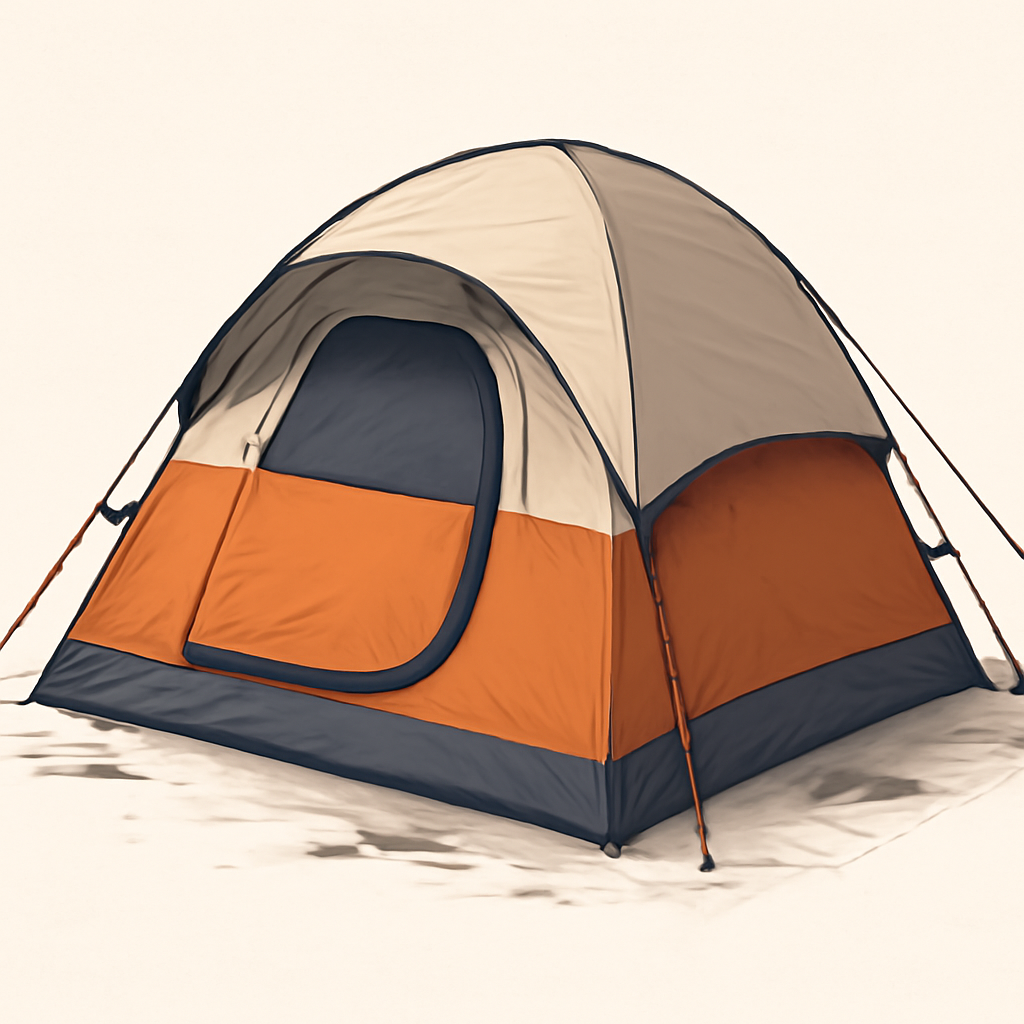
Choosing a 4×4 tent means picking a shelter built for off-road realities as much as comfort. A true all terrain camping tent pairs rugged weather resistance with four by four tent compatibility, letting it mount to an SUV or pickup and still offer quick vehicle access and gear organization. Key priorities include weather sealing, a durable floor, and a reliable stake system, so you stay dry and stable even on rocky or muddy ground—traits that define a rugged outdoor tent designed for overlanding adventures.
What defines a 4×4 tent
Key characteristics
Typically built for off-road performance, rugged weather resistance, and four by four tent compatibility with SUV or pickup setups, it prioritizes weather sealing, durable floors, and reliable stake systems.
Who benefits: overlanders and SUV campers
Benefits
Overlanders rely on rugged outdoor tents that stand up to remote campsites, while SUV camping tent configurations offer quick vehicle access and gear organization.
Armed with that understanding, assess how well a 4×4 tent aligns with your trips: durability for family camping, lightweight options for overland travel, and weatherproofing for rugged terrain conditions. The right model delivers dependable shelter at every stop and slots cleanly into an SUV or pickup setup, supporting efficient packing and fast exits when weather shifts. That clarity makes performance considerations for rugged terrain the next essential filter—durability under remote camps, weather sealing for sudden storms, and stake systems that hold on uneven ground.
Performance considerations for rugged terrain
A rugged terrain demands more than comfort from a 4×4 tent. It requires proven durability, weatherproofing, and reliable anchoring to keep you dry and safe when ground conditions shift from rocky to sandy or muddy. When evaluating the best 4×4 tent for overlanding trips, prioritize construction details that withstand abrasion, wind, and frequent setup and breakdown in remote locations. This approach applies to all terrain camping tents as well as SUV camping tents used on long trips or family getaways.
Durability, materials and build quality
Details
- Materials: Ripstop fabrics in the body, reinforced at high-stress areas, paired with aluminum poles to balance strength and weight. A rugged outdoor tent should resist tears from brush and gravel while still packing compactly for overland travel.
- Floor and underbody: A puncture-resistant floor plus reinforced corners extend life on abrasive ground and protect against sharp rocks or roots.
- Zippers and nets: Heavy-duty zippers with robust sliders, door nets with strong mesh, and double-stitched seams reduce failure under repeated use and in rough weather.
- Construction: Heat-taped or welded seams where appropriate, reinforced yokes, and quality pole sleeves that resist wear from frequent pitching in uneven ground.
- Real-world impact: For four-by-four use, this translates to longer service life on abandoned campsites, roadside pullouts, and uneven forest clearings without excessive weight penalties.
Weatherproofing and seam construction
Details
- Rainfly coverage: Full or near-full rainfly coverage that extends past the tent walls minimizes water intrusion and shield from driving rain, a must for off road camping tents.
- Seams and coatings: Sealed or taped seams, plus durable waterproof coatings, fend off leaks after prolonged exposure to rain and dew.
- Mildew resistance: Treated fabrics resist mildew in humid or damp environments, keeping the interior healthier over extended stays.
- Ventilation: Thoughtful ventilation design—cross-vent panels, roof vents, and adjustable openings—reduces condensation without compromising waterproofness.
- Practical layout: A well-weatherproof 4×4 tent balances airflow with rain protection, so you stay comfortable on long overlanding trips and rugged terrain camping.
Anchoring and stability in tough ground
Details
- Stakes and anchors: Include stakes suitable for rocky, sandy, or muddy ground. Steel or aluminum stakes with carbide tips perform well in hard soil; longer options help in loose sand.
- Ground-specific gear: For rocky terrain, use longer, angled stakes; for soft ground, employ auger-style or deadman anchors; for mud, add wide-based anchors and tethered guy lines.
- Tie-in points: Ample anchoring points on the tent body and fly enable even distribution of tension, reducing movement in wind and preventing fabric fatigue.
- Guy lines: Reflective, taut, and adjustable lines prevent accidental tripping and improve stability in gusty conditions.
- Real-world benefit: A 4×4 tent with strong anchoring and stable setup can endure wind from side or rear drives, a common scenario for all-terrain camping and SUV camping setups.
That foundation guides how you evaluate designs and features for overlanding. It informs choices around ruggedized fittings, wind-shedding geometries, and reliable anchoring, ensuring your gear remains dependable no matter where your drives take you.
Designs and features for overlanding
Overlanding with a 4×4 tent demands gear that stands up to rough roads, variable weather, and changing camp sizes. The best setups balance durability, ease of use, and flexible layouts. Look for rugged outdoor tent construction, all-terrain fabrics, high-quality zippers, and strong, corrosion-resistant poles. Annex-compatible designs extend habitat options without compromising weather sealing, making the 4×4 tent a versatile hub for car camping, cooking, and gear storage.
Annex options for car camping
4×4 tent with annex for car camping adds sheltered entry and gear room
Annexes create a sheltered vestibule that protects boots, packs, and muddy gear while you access the vehicle or prepare for the day. A 4×4 tent with annex for car camping can almost double your usable space, especially in wet weather.
Annex configurations can serve as a kitchen, mudroom, or sleeping space
Modular annexes allow you to tailor the footprint: a kitchen annex with a stove-safe floor, a mudroom with easy-clean rug panels, or a separate sleeping annex for kids or guests. In practice, many overlanders convert an annex into a weatherproof mudroom to keep the tent interior clean during long trips.
Weather-conscious design details to look for
Choose annexes with removable panels, zip-on doors, and ground sheets that seal to the main tent. A robust awning or fly extension protects the entry from sun or drizzle. For all terrain camping, ensure the annex is compatible with your SUV or pickup’s doors and aligns with the main tent’s peak height to avoid heat and condensation buildup.
Sizing, weight, and family camping considerations
Durable 4×4 tent for family camping offers more headroom and privacy
A family-oriented 4×4 tent typically features a larger footprint (about 10×12 ft) and a higher peak (78–84 inches), delivering comfortable living space and a private sleeping zone. This setup works well for longer trips or weekend family outings where room to lounge and store gear matters. Durable fabrics and reinforced seams reduce wear over multiple seasons.
Lightweight 4×4 tent for overland travel balances pack size with weatherproofing and quick setup
For solo travelers or light crews, a weatherproof 4×4 tent that weighs roughly 6–12 kg (13–26 lb) and packs to about 24×12 inches hits the sweet spot. Prioritize quick-assembly poles (e.g., hubbed or color-coded) and a robust rainfly. Despite lower weight, aim for a hydrostatic head of 3000–5000 mm to withstand heavy rain in rugged terrain.
Practical tips to optimize selection
- Prioritize models labeled as all-terrain or rugged outdoor tent with sturdy zippers, taped seams, and UV-resistant fabrics.
- Ensure the tent’s annex options align with your car’s doors and your typical camping style—kitchen-ready layouts save precious time on messy mornings.
- Consider a weatherproof 4×4 tent for rugged terrain camping when planning frequent off-road trips or high-altitude camps.
4×4 tent FAQ
Choosing the right 4×4 tent balances durability, weatherproofing, and packability for overlanding and family trips. Here are practical answers to common questions.
What is the best 4×4 tent for overlanding trips?
For off-road trips, choose rugged four by four tents with a sturdy frame, double-wall design, and sealed seams. A 3000-5000 mm hydrostatic head helps shed rain, and a bathtub floor guards against seepage. Keep weight reasonable: 2-4 person models fit in SUVs or small pickups, and generous vestibules increase gear and cooking space. An annex is optional for longer camps but can add value. For overland travel, a lightweight 4×4 tent reduces fatigue on long days.
Quick tips
- Test fit at home in your vehicle to verify clearance.
- Pack a simple repair kit and spare poles.
How do I choose a durable 4×4 tent for family camping?
Durable family camping starts with robust fabric, reinforced seams, and a stable frame. Choose 4-6 person tents with two doors and a divider for privacy. Aim for 2-3 season use, good ventilation, seam-taped rainfly, and a durable floor. A simple setup saves time after long drives.
Quick tips
- Look for color-coded poles and clips to speed setup.
- Prefer models with interior pockets and a roomy vestibule.
Do I need an annex for car camping with a 4×4 tent?
An annex adds living space, changing area, or extra storage. It’s useful for car camping with a 4×4 tent on multi-day trips. If you rarely cook or camp in bad weather, you can skip it.
Quick tips
- Ensure compatible zip patterns so the tent and annex fit together.
- Weigh the setup time against the extra space.
Conclusion and practical takeaways
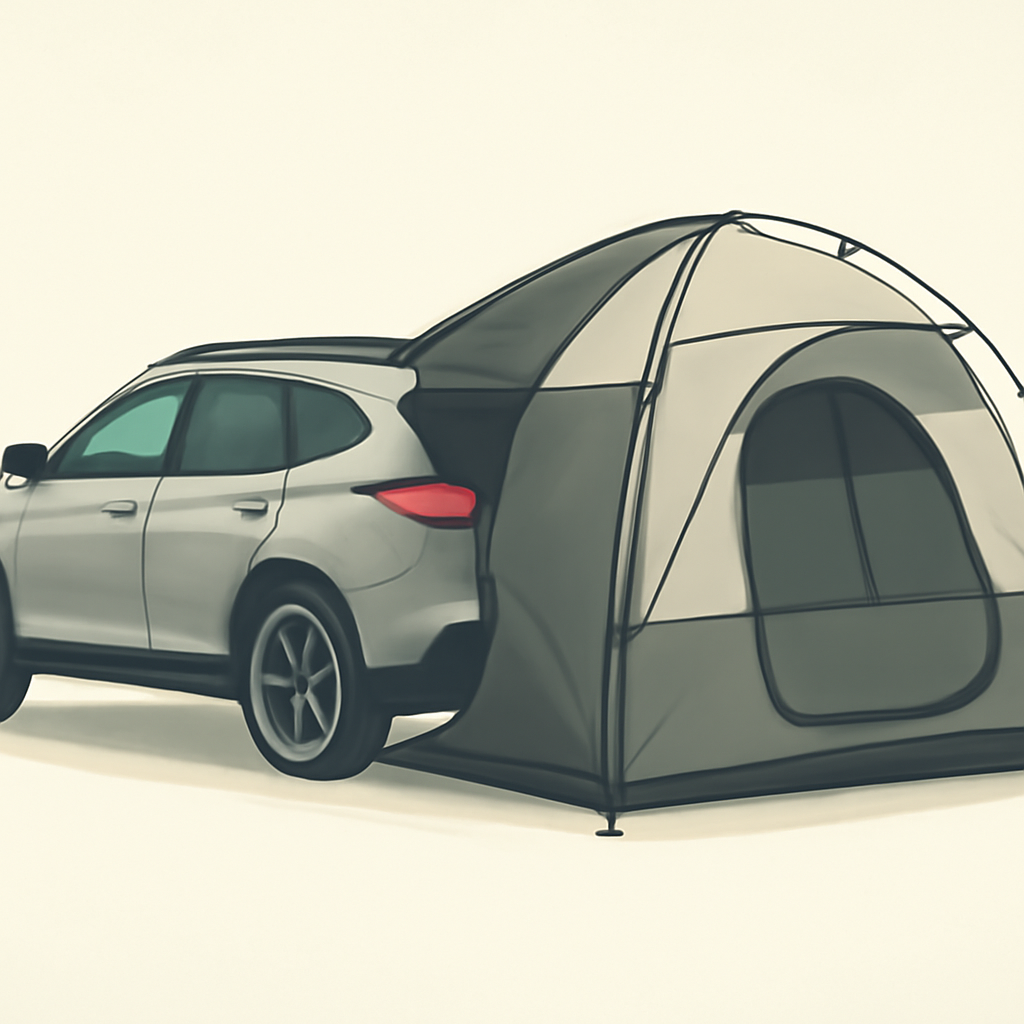
Choosing the right 4×4 tent dramatically affects setup speed, comfort, and safety on rugged terrain. Use these practical takeaways to match gear with your vehicle and your typical overlanding routes.
Key takeaways for selecting a 4×4 tent
Prioritize compatibility with your vehicle (SUV or pickup) and a proven track record in all terrain camping tents.
Match the tent footprint to your SUV or pickup’s stance and roof setup. For an SUV, look for a rooftop or vehicle-mounted option with proven stability on washboard roads and light off-road rock trails. For a pickup, consider bed-mounted or canopy-compatible designs that preserve clearance. Read field-tested reviews from four by four tent users who tackle all terrain camping tents, and confirm that the model fits your vehicle height with rainfly attached. A reliable choice supports off road camping without constant adjustments.
Balance durability, weight, and price to match your overlanding style.
Durability matters, but weight and cost should fit your travel cadence. Heavy, bombproof models excel in long cold-season trips but demand more payload and setup time; lighter designs save energy on overland travel yet may trade durability. For a family or multi-day run, budget for a midweight option with robust seams and a solid floor. If you’re chasing the best 4×4 tent for overlanding trips, seek a balance that suits your gear load, vehicle payload, and travel pace. Annex-ready options extend living space without forcing a larger standalone tent.
Consider weatherproof 4×4 tent options for rugged terrain camping.
Weatherproof features are non-negotiable. Look for taped seams, a full-coverage rain fly, and a floor with a high hydrostatic head rating. A strong vestibule keeps gear dry and creates a mud-free entry, while sturdy zippers resist slippage in cold or dusty conditions. Prioritize all-terrain camping tents designed for rugged environments, including models marketed as rugged outdoor tents with reliable annex compatibility for car camping.
Buying criteria and recommended setups
Consider terrain, climate, and group size to pick the right budget, durability, and annex options.
In deserts, alpine winds, or heavy rain, choose fabrics and coatings accordingly. For two travelers, a lighter 4×4 tent with a compact annex may suffice; for a family, select a larger tent with an annex that doubles as a kids’ area or gear room. Verify parking space, access, and erecting anchor points in rocky or sandy terrain, and ensure your SUV camping tent setup complements your vehicle height and clearance.
Look for weatherproof features, robust zippers, and a strong floor and vestibule design.
YKK zippers, storm flaps, a reinforced bathtub floor, and a double-layer vestibule create durable weather resistance. Favor models with reinforced corners and reinforced seam integrity to withstand repeated setup and tear-down in windy sites. A well-designed vestibule protects muddy boots and keeps sleeping areas dry, improving overall comfort in all-terrain conditions.
Pre-trip checklist for rugged terrain camping
Prepare a pre-trip checklist: stake kit, seam sealer, tarp, and spare parts.
Pack a diverse stake kit (varied lengths and types), seam sealer for field repairs, a ground tarp for additional protection, and spare parts such as extra guy lines, patches, and repair tape. These essentials keep your 4×4 tent ready for backcountry pitches and sudden weather changes.
Test setup at home to ensure fitment and acclimate to your vehicle’s height and clearance.
At home, practice pitching the tent in your driveway or garage. Height and clearance become second nature when you know exactly how the rain fly sits and how the annex attaches to your SUV. Simulate your camp layout with sleeping pads and gear inside to confirm comfort and door operation before you hit the trail. This step shortens on-site setup time and reduces surprises on overland travel days.

