
Table of Contents
1. Introduction to the Family Tent
2. Design options for the family tent: rooms, vestibules, and layouts
3. Performance and value: waterproofing, setup, and durability
4. family tent FAQ
5. Conclusion and practical next steps
Introduction to the Family Tent
Choosing a family tent means balancing space, privacy, and weather protection for shared adventures. A well-designed family camping shelter keeps everyone comfortable without bottlenecks at doors or the kitchen. For groups of varying ages, a large family tent with rooms or distinct zones can simplify daily flow from meals to bedtime. Considering layout, access, and durability helps you select a model for extended trips and weekend escapes. Prioritize mobility in crowded spaces and quick-access storage to keep life simple.
What makes a family tent ideal for groups
Size and room configuration
A roomy footprint and flexible layouts improve comfort and flow.
Privacy needs and door placement
Strategic door placement supports family dynamics and quiet hours.
Key features to look for in tents for families
Seams, zippers, and ventilation
Tight seams, durable zippers, and ventilation prevent leaks.
Ventilated options and vestibule space
Ventilated designs and generous vestibules extend living space.
Waterproof ratings and durable materials
Waterproof ratings and durable fabrics ensure long-term reliability.
How data informs selection and purchases
Use data on group size
Size, trip length, and seasonality guide model choice.
Reference independent tests and user reviews
Independent tests and reviews signal durability.
These criteria streamline comparisons for tents for families of any size, including large family tents with rooms and vestibules. The design options ahead show how to balance these elements in practice.
Design options for the family tent: rooms, vestibules, and layouts
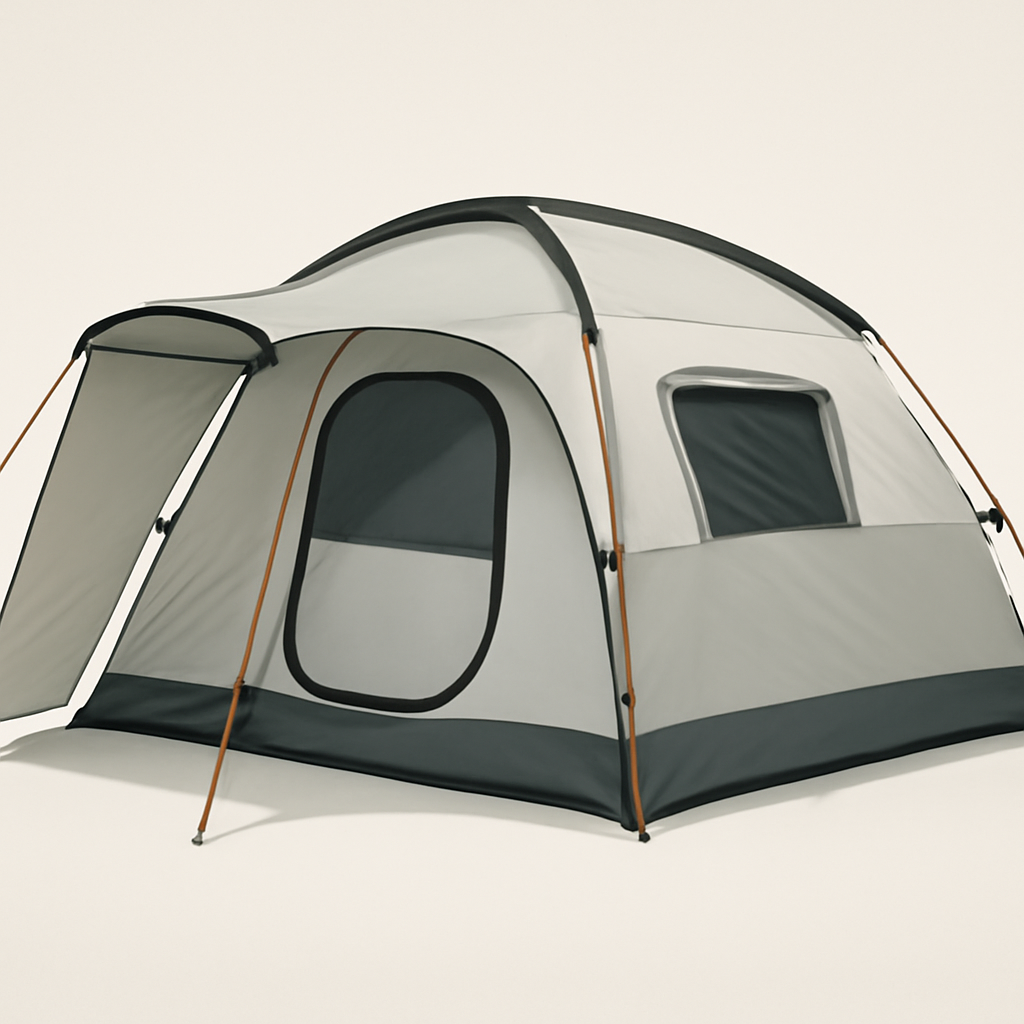
Designing a family tent means balancing privacy, shared space, and gear management. Rooms, vestibules, and thoughtful layouts shape how a family camps together and how smoothly a trip runs. The right configuration depends on group size, climate, and expected activity levels during the trip.
Large family tent designs with separate rooms
Private rooms vs dividers
Private sleeping rooms help families with mixed bedtimes and light sleepers. Use zippered dividers or freestanding screens to create clearly defined zones while preserving a central living area for gathering. For a group of 6–8, aim for at least two distinct sleeping zones plus a small transition space to reduce midnight foot traffic.
Entry doors and movement between zones
Multiple entry doors shorten the route from exterior to individual rooms and minimize disturbances. A central living area between sleeping zones keeps movement out of the sleep zones, supporting better airflow and quicker heat distribution on cool nights.
Practical layouts for big groups
A common approach is three private rooms plus a main living area, or four rooms with a shared vestibule. For example, a large family tent with separate rooms might feature three sleeping compartments arranged around a 10×8 ft living space, with a 6×8 ft porch vestibule that doubles as mudroom in rain.
Tents for families: vestibules, dividers, and storage
Vestibule sizing matters for gear and weather protection
Vestibules act as weatherproof buffer zones and gear hubs. Front vestibules around 6×8 ft (or larger) provide space for boots, rucksacks, and damp gear without crowding the sleeping areas. A secondary vestibule helps keep wet gear separate from living space.
Dividers, storage, and organization
Built-in dividers, mesh panels, and gear pockets keep sleeping zones calm and predictable. Use labeled cubbies or shelves for chargers, headlamps, and small toys to reduce clutter and noise.
Large family camping tent with vestibule offers extra living space
A roomy vestibule can function as a play area for kids during rain or as a quiet lounging zone for adults after dark. Pair vestibules with internal storage nets to maximize organization without sacrificing floor space.
Family tent with rooms vs open-layout: trade-offs
Enclosed rooms: privacy and sleep comfort
Enclosed rooms offer predictable privacy and reduced noise transfer, which helps when some campers retire early. They can, however, limit airflow if vents aren’t optimized, so plan cross-ventilation and mesh panels near sleeping zones.
Open layouts: visibility and communal living space
Open layouts maximize sightlines and group interaction, making supervision easier for families with young children. They can feel less intimate and may require more strategic airflow to prevent stuffiness.
Hybrid options
Partial partitions or removable dividers strike a balance between privacy and sociability. Mesh walls can maintain air movement while still creating distinct zones when needed.
These layout choices directly influence performance and value: waterproofing, setup ease, and long-term durability. Think through how you’ll move between zones, store gear, and manage weather protection to pick the best design for your family tent. Transitioning from layout decisions to practical performance will sharpen choices for waterproofing, setup, and durability.
Performance and value: waterproofing, setup, and durability
A family tent should deliver reliable weather protection, quick and confident setup for weekend trips, and endurance for multi-season travels. When selecting a large family tent or a family camping shelter, prioritize waterproofing, ease of use, and robust materials that support family life on extended trips. Features like separate rooms, vestibules, and footprints can make the difference between a smooth trip and a constant fuss.
Waterproofing and weather resistance
Hydrostatic head ratings and waterproof fabrics
Hydrostatic head ratings indicate how much water pressure the fabric can withstand. For family tents, look for 1500–3000 mm depending on climate. Fabrics with polyurethane or silicone coatings on polyester or nylon improve rain resistance while keeping weight reasonable. For tents for families, higher ratings practically translate into less worry during prolonged downpours.
Seam sealing and rainfly protection
Fully taped or welded seams prevent hidden leaks, especially along floor and seam intersections. A full-coverage rainfly over a pre-angled flysheet minimizes water intrusion during driving rain. Check for additional storm flaps and integrated vents to balance humidity without compromising waterproofing.
Floor material durability and protective mats
Floor fabrics in family tents with rooms or large family tents often range from 150D to 1000D with a water column of 1500–3000 mm. A rugged floor reduces wear from stakes and gear. Pair the tent with a groundsheet or footprint to shield from sharp rocks and damp ground, extending the life of the tent and protecting the family’s sleeping area.
Ease of setup for beginners
Color-coded poles and hub systems speed assembly
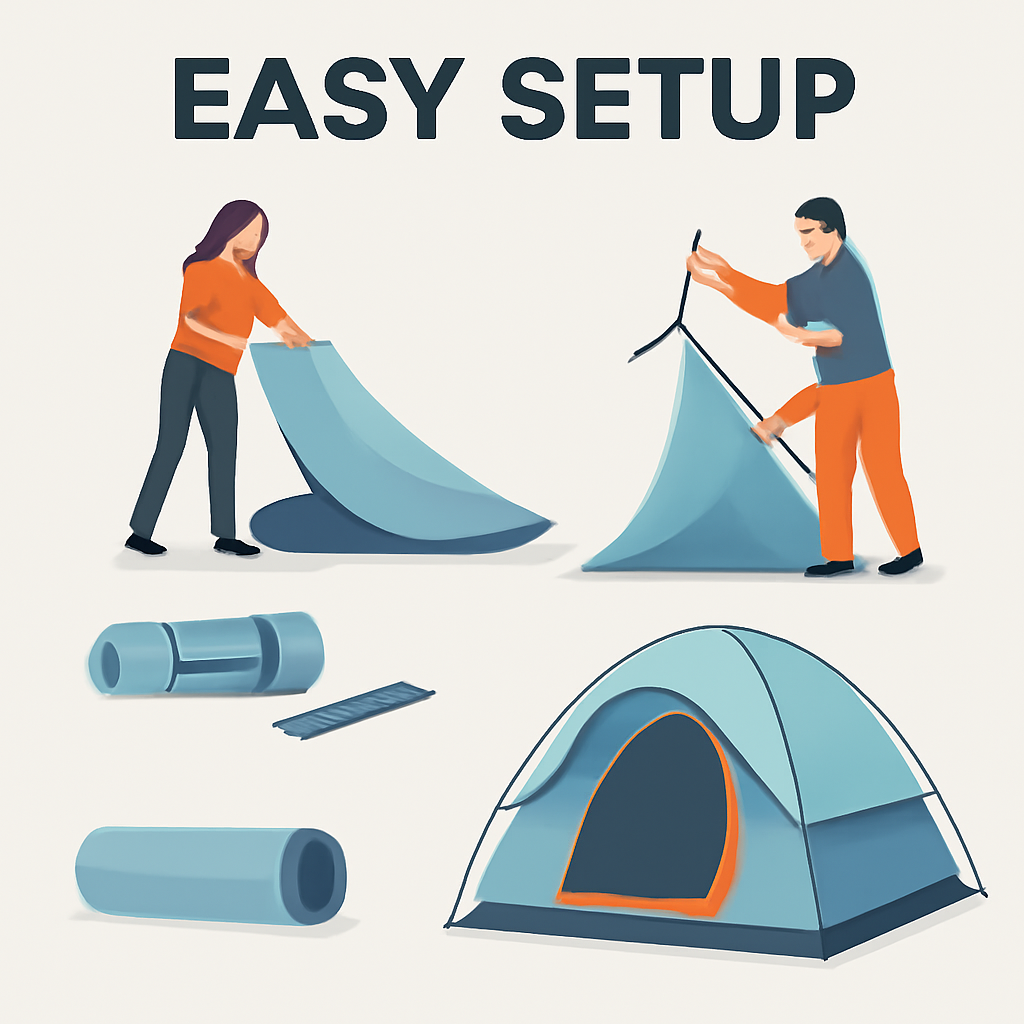
Color-coded poles, sleeves, and hub systems let first-time campers pitch quickly, often in under 10 minutes. This is a strong selling point for easy setup family tent models aimed at beginners who want minimal frustration after a long day.
Pre-attached guylines and included stakes
Pre-attached guylines keep things simple in gusty conditions, while included stakes ensure you’re not rummaging through the kit at dusk. A well-thought-out setup kit can make the difference between a smooth pitch and a struggle, particularly with tents for families.
Clear setup instructions and included carry bag
Clear diagrams and a durable carry bag contribute to repeatable setups. A family tent with rooms often includes a dedicated room layout diagram, helping parents allocate space for kids, adults, and gear right from the start.
Durability and materials for long trips
Fabric type, denier rating, and UV resistance
Durability hinges on fabric composition (polyester or nylon) and denier ratings (often 68D–150D for family tents). UV stabilization helps prevent fabric degradation after repeated sun exposure, extending life across seasons and many camping seasons.
Zippers, seams, and repair options
Choose tents with robust zippers (preferably #5 or larger) and reinforced seams. Reputable models provide repair options, patch kits, and clear guidance for quick field fixes, so you’re never stranded during extended trips.
Warranty terms and service accessibility
A solid warranty (1–3 years depending on material and build) and accessible customer service matter for family budgeting. Look for straightforward replacement parts, a responsive service network, and clear guidance on offline repairs when traveling far from home.
family tent FAQ
A well-made family tent blends space, privacy, and weather resilience with easy setup. When choosing, focus on how the layout supports tents for families, how well it sheds rain, and how quickly you can move from carry bag to campsite.
What is the best family tent for big groups?
For large groups, prioritize a big family tent with multiple rooms and a spacious central living area. Look for 3- or 4-room layouts, at least two entry doors, tall ceilings, and durable poles. This setup supports extended trips and makes a family camping shelter feel like home. A versatile model with a couple of vestibules adds gear storage without crowding sleeping zones.
Size and layout tips
- Choose true capacity with room for cots and gear; plan for a few extra occupants.
- Favor models with separate doors and a shared living area to reduce evening foot traffic.
Durability and comfort tips
- Check for taped seams, a full-coverage rainfly, and a resistant floor for rainy sites.
- Ensure adequate ventilation with mesh panels to reduce condensation.
What is a waterproof family tent with separate rooms?
A waterproof family tent with separate rooms uses internal dividers to create sleeping zones that can be closed off for privacy. It combines privacy with a common living area, plus a rainfly and sealed seams to keep weather out. Choose models that offer flexible room configurations and sturdy zippers on doorways.
Room separation and weather-proofing tips
- Look for internal walls or zippered dividers and multiple doors for flow and privacy.
- Prioritize taped seams, robust flooring, and reliable rainfly coverage.
Ventilation and protection tips
- Favor tents with vented panels and thoughtful airflow to minimize condensation.
What is an easy setup family tent for beginners?
An easy setup family tent for beginners uses color-coded poles, hub systems, or pre-attached poles and clips. The process is straightforward: lay out, stake corners, assemble the frame, raise the body, add the vestibule, then secure the rainfly.
Setup efficiency tips
- Practice at home to memorize the sequence; keep stakes and poles organized.
- Pack a small repair kit and a groundsheet to streamline the first trip.
Conclusion and practical next steps
Turning camping data into a confident purchase starts with your group, your climate, and your gear strategy. A well-chosen family tent blends room layout, waterproofing, and durability with a realistic budget, so you can camp more comfortably on weekends and extended trips alike.
Turn data into buying decisions: a simple checklist
Define group size, sleeping arrangements, and travel season
- Count all sleepers, including older kids who may want their own space. Decide if you need separate rooms or a large central area with room dividers.
- Consider travel season: three-season tents work for spring, summer, and fall, while you’ll want a waterproof family tent with separate rooms and robust weatherproofing for shoulder-season trips.
Prioritize waterproofing, room layout, durability, and price
- Look for a minimum hydrostatic head in the 3000–6000 mm range for frequent rain; ensure taped seams and a full-coverage rainfly.
- Favor a family tent with rooms or dividers for privacy and gear storage, plus durable floors (bathtub-style) and sturdy poles.
- Balance price against durability and warranty: a larger family camping tent with vestibule features may cost more upfront but save on replacements after years of use.
Estimate your needs for extended trips and budget accordingly
Plan for at least a 4-season or extended-trip use if needed
- If winter or heavy-season trips are likely, prioritize a four-season capable design or a three-season tent with substantial vestibules and weatherproofing.
- Plan for ample vestibule space to store gear, boots, and packs, reducing interior clutter and sleeping disruption.
Account for gear, add-ons, and warranty considerations
- Add in sleeping pads, cots, air mattresses, lighting, ground tarp, repair kit, and spare guy lines.
- Check warranty duration, parts replacement options, and seller support. A trusted family tent often comes with accessible replacement poles and compatible rainflies.
Final buying criteria for a trusted family tent
Revisit real-world reviews and test setups in-store
- Read user reviews from families with similar group sizes and trip plans; prioritize models with tested setups and real-world photos.
- If possible, view a test setup in-store to gauge ease of assembly and room feel, especially for family tents with rooms and vestibules.
Check warranty, replacement parts, and seller support
- Confirm warranty terms, what’s covered, and how quickly parts can be shipped.
- Verify the availability of replacement parts and the retailer’s return or exchange policy for a stress-free purchase.
